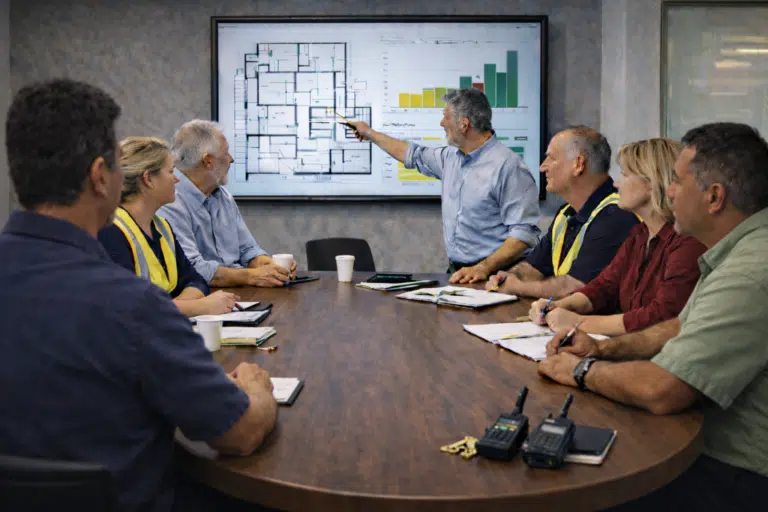
In many organizations, facility managers oversee one of the company’s most valuable assets: the building itself. Yet some facility leaders are deeply involved in operational decisions, while others remain in the background. After working with many organizations, a pattern emerges. The facility managers who are regularly included in important conversations tend to approach their role in a few consistent ways.
1. They Treat the Building Like a Strategic Asset
Buildings represent a major investment. According to the International Facility Management Association (IFMA), facility-related costs often account for 10–25% of an organization’s operating expenses. Facility managers who understand and communicate the financial importance of the building are more likely to be viewed as strategic contributors.
2. They Focus on Risk Reduction
Facilities carry risks ranging from safety hazards to compliance issues. According to the National Safety Council and OSHA, slip-and-fall incidents remain among the most common workplace injuries in the United States. Facility managers who proactively address maintenance, lighting, and environmental conditions help prevent costly problems before they occur.
3. They Understand the Workplace Environment
Research cited in publications such as Harvard Business Review shows that workplace conditions influence employee satisfaction and productivity. Clean, well-maintained facilities contribute to morale and the overall perception of an organization, and leaders recognize the value of managers who understand that connection.
4. They Manage Vendors Like Partners
Most facilities rely on outside vendors for services such as custodial work and maintenance. The Building Owners and Managers Association (BOMA) notes that effective vendor management is key to smooth building operations. Facility managers who set clear expectations and maintain accountability help ensure consistent results.
5. They Communicate Operational Insights
Facility managers often notice operational patterns others miss—from how spaces are used to how building systems affect workflow. Leaders value this perspective when making decisions about growth, renovation, and improving the employee experience.